
PLATO

PLATO
Why PLATO?
PLATO stands out as a specialized geometry program built on one simple philosophy: easy and light. Because a firm grasp of basic geometric concepts underpins modern mathematics, students who build that foundation early are far better prepared when math becomes significantly more demanding in high school. By turning abstract shapes into fun, hands-on learning in just 10 minutes a day, PLATO helps children enjoy geometry from an early age, making it the definitive starting point for lasting confidence in mathematics.
Core Point
Plane Patterns
Covering the understanding, construction, and counting of 2D shapes, this domain extends into pattern recognition and reasoning, laying a solid foundation in core geometric principles.
Shape Manipulation
Through activities such as measuring, combining, dividing, moving, and solving puzzles with plane figures, students develop the ability to mentally transform shapes, turning static images into dynamic objects.
3D Construction
The program guides students to understand 3D shapes, count their components, and work with nets, bridging the gap between flat representations and the solid shapes they form.
Spatial Perception
Students sharpen their sense of perspective by overlapping punched and transparent sheets, folding paper, layering figures, and observing objects from multiple directions, building the spatial awareness essential for advanced mathematical thinking.
Introduction
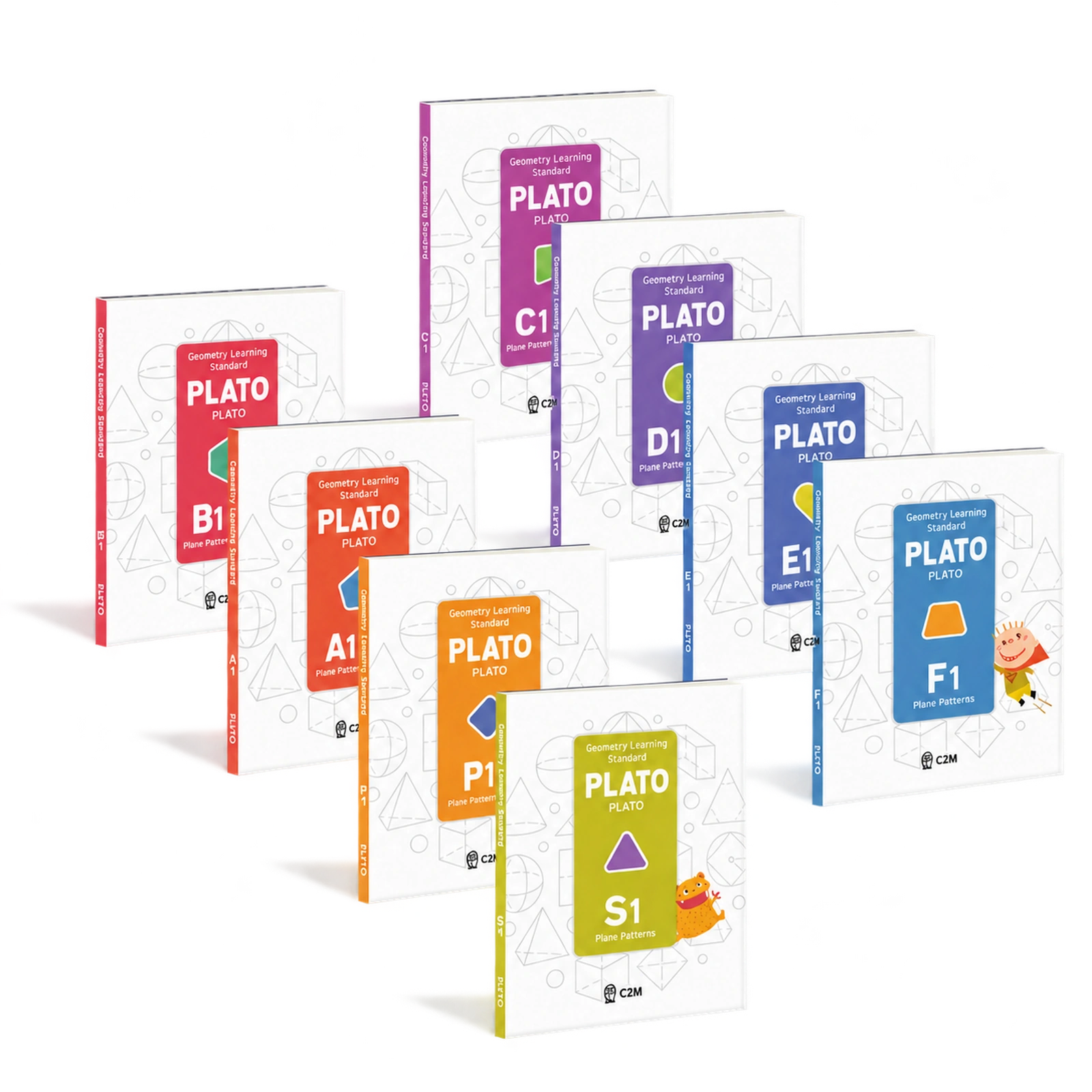
- Stages
- Stages S–F
- Target Age Group
- Age 6 through Grade 6
- Daily Practice
- 2 pages a day · 10 minutes
- Learning Areas
- Plane Patterns · Shape Manipulation · 3D Construction · Spatial Perception
Inside the Workbooks
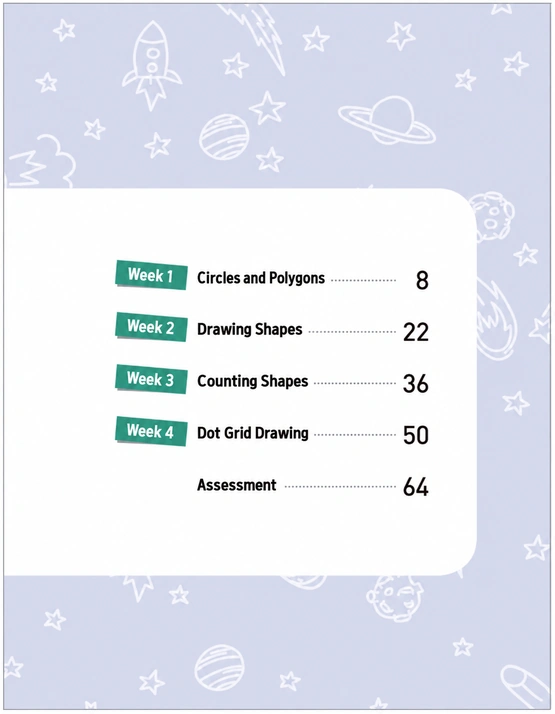
Weekly Contents
See the learning topics for each week.
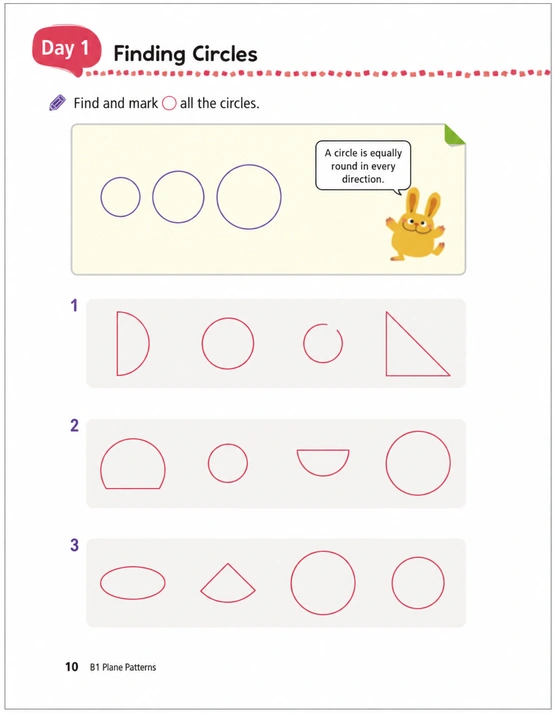
Daily Learning
Build geometry skills with two pages of focused practice a day.
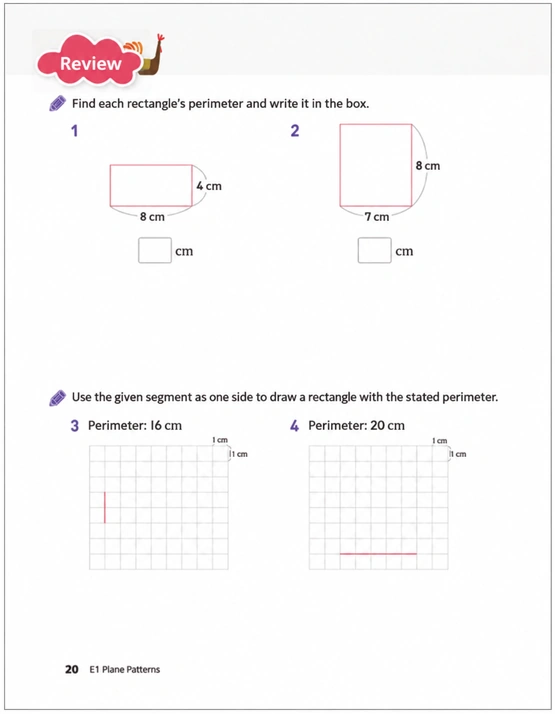
Review Learning
Revisit the week’s key problem types and consolidate learning.
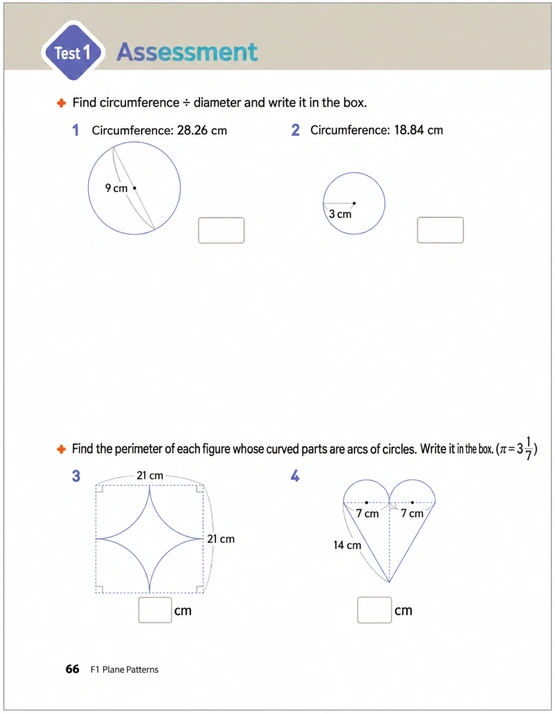
Formative Assessment
Check the key concepts studied over four weeks and revisit areas that need more practice.
Learning Support
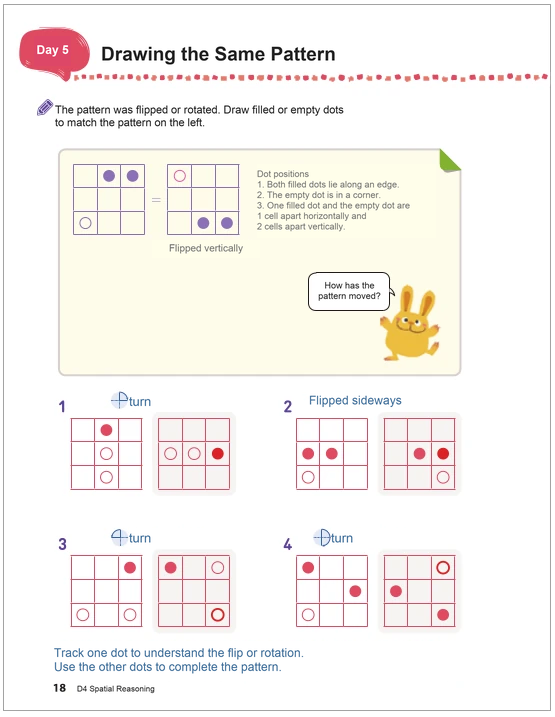
Teaching Guide
Detailed explanations and teaching tips support understanding at home and in class.
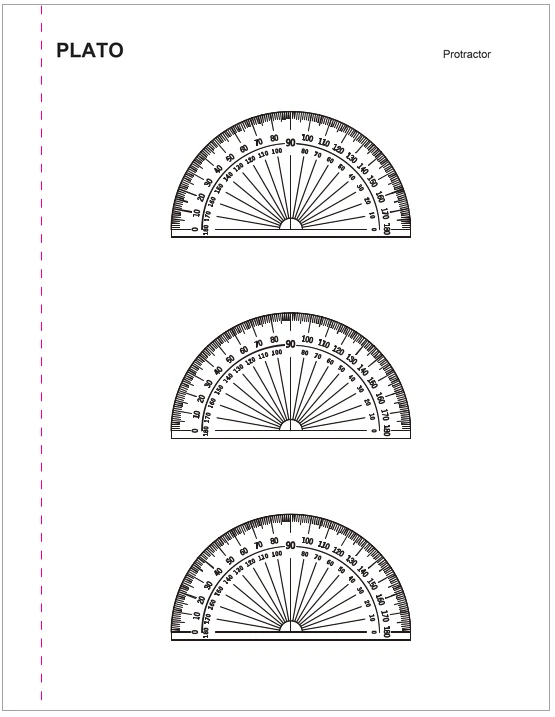
Activity Supplements
Activity sheets and transparent materials support hands-on exploration.
A Classroom Learning Flow
Before Class
Spend 5 minutes handling manipulatives and exploring the shapes in the lesson.
During Class
Work through two pages to develop geometric concepts and spatial understanding.
After Class
Spend 5 minutes reviewing key problem types and checking difficult areas.
Review and Consolidate
Review four weeks of learning and practice the topics that need reinforcement.
Connected Manipulative Activities
Workbook activities connect with matching materials to make shape concepts tangible.
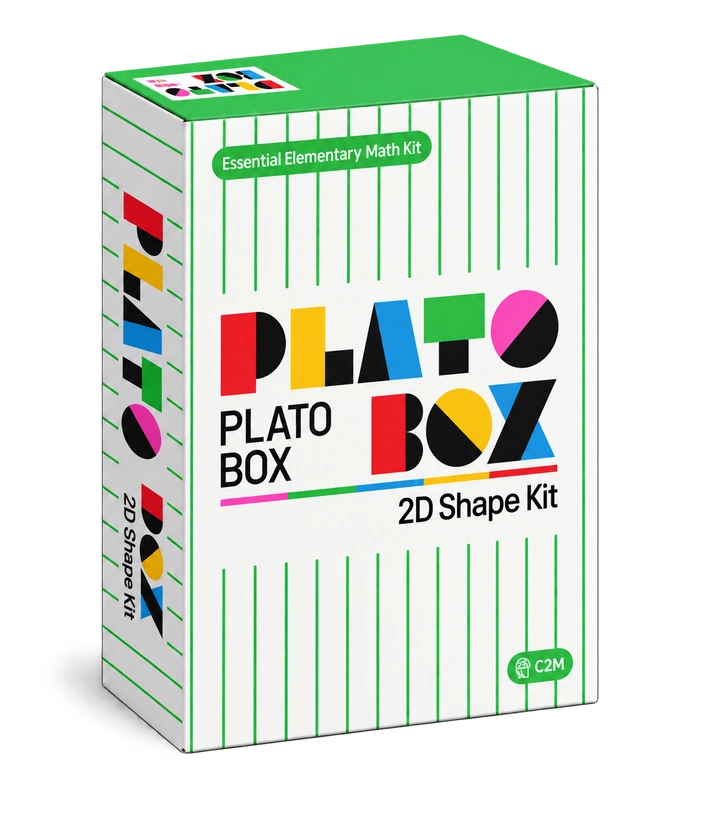
PLATO Box · Plane Shapes
Explore plane shapes with tangrams, pentominoes, geoboards, reflectors, pattern blocks, and attribute blocks.
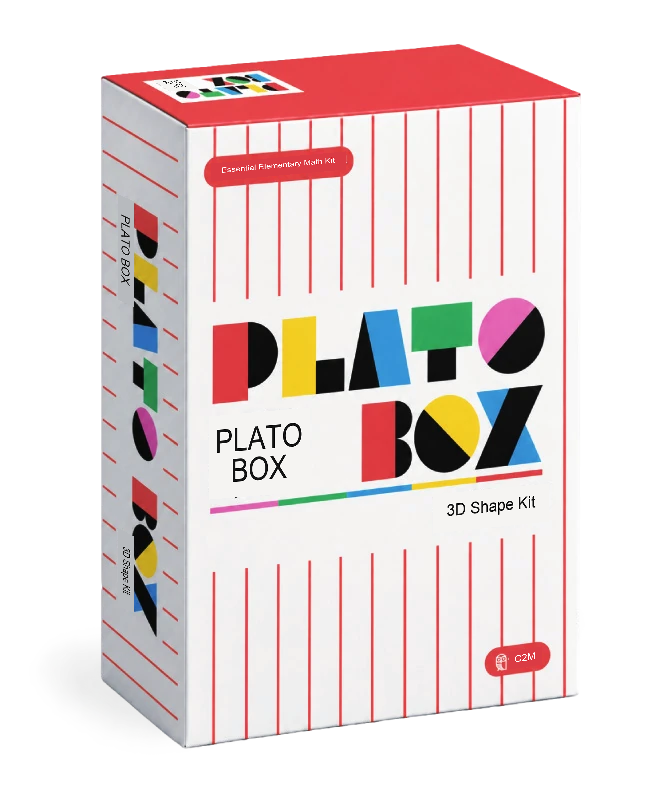
PLATO Box · Solid Shapes
Explore solid shapes with building cubes, multiple-view activities, GeoSolid, Cuisenaire rods, and nets.